Introduction
When it comes to home renovations, one of the most impactful changes you can make is through wall and floor tiling. Whether you're redoing your kitchen or transforming your bathroom, achieving a flawless finish in tiling is essential for both aesthetics and functionality. In Dublin, where so many homes are adorned with beautiful tiles, knowing how to achieve that perfect look can set your space apart. This article will cover expert tips on achieving flawless finishes in wall and floor tilings, including practical advice for both DIY enthusiasts and those looking to hire professional tilers in Dublin.
Expert Tips on Achieving Flawless Finishes in Wall and Floor Tilings
Tiling might seem straightforward, but there’s a wealth of know-how tucked away behind those beautiful ceramic or porcelain surfaces. The key to success lies in careful planning, precise execution, and understanding the materials.
Understanding Your Tiling Options
Ceramic Tiling Dublin
One of the most popular choices for homeowners is ceramic tiling. It's durable, water-resistant, and available in numerous designs. When considering ceramic tiles for your home, think about:
- Durability: Ideal for high-traffic areas. Design Versatility: Can mimic wood or stone. Maintenance: Easy to clean but avoid harsh chemicals.
Porcelain Tiling Dublin
Porcelain tiles are denser than ceramic tiles and offer superior durability. Here’s what makes them a great choice:
- Water Resistance: Perfect for bathrooms and kitchens. Aesthetic Appeal: Often comes in more intricate designs. Long-lasting: Less prone to chipping or cracking.
Mosaic Tiling Dublin
For a touch of creativity, mosaic tiles can add character to any space. Consider these factors:
- Design Flexibility: Create unique patterns. Use Cases: Great for accent walls or backsplashes. Installation Challenges: Requires precision due to smaller sizes.
Preparing For Tile Installation
Planning Your Layout
Before laying down any tiles, it’s crucial to plan your layout. This step involves measuring the space accurately:
Measure the area where you will install the tiles. Sketch out a design that incorporates various tile sizes if necessary. Consider starting from the center of the room to ensure symmetry.Choosing Quality Materials
The quality of tiles significantly impacts the final outcome:
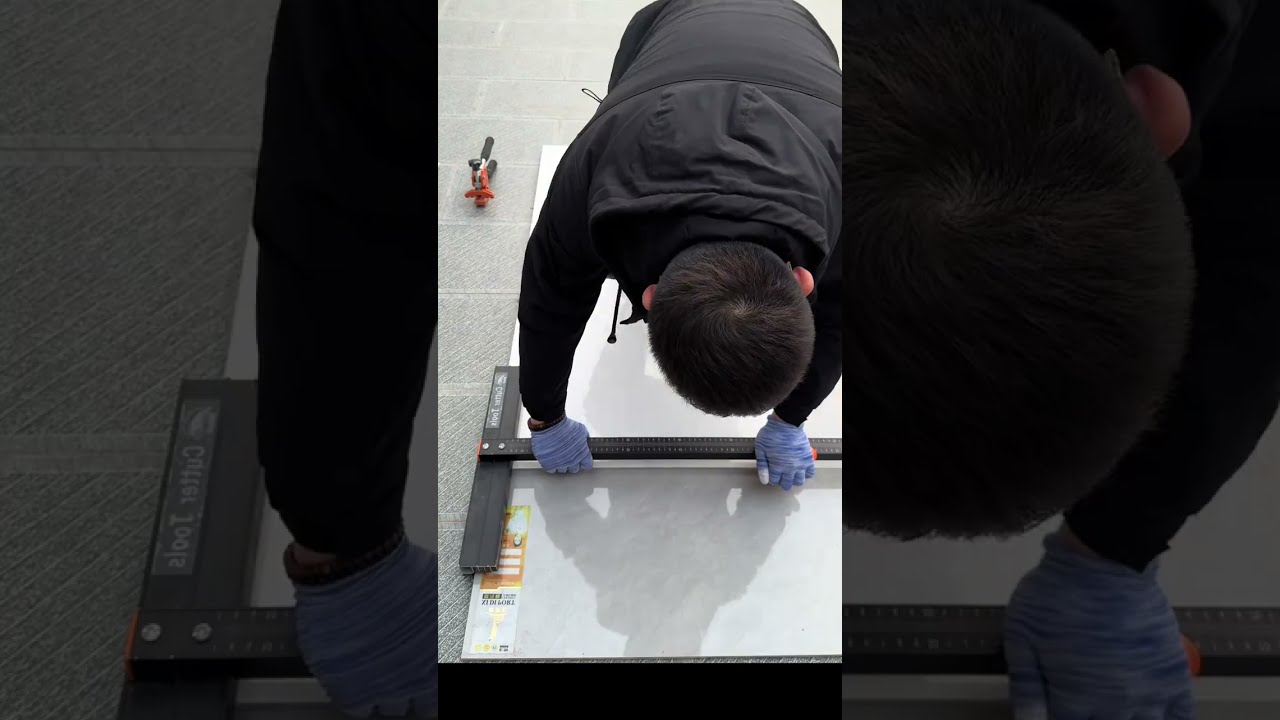
- Invest in high-quality tiles from reputable suppliers. Look into bespoke tiling options if you want something unique.
Tools Required for Tile Installation
To achieve a flawless finish, having the right tools is non-negotiable:
| Tool Name | Purpose | |-----------------------|-------------------------------------------| | Tile Cutter | To cut tiles accurately | | Trowel | For spreading adhesive | | Spacers | To maintain even grout lines | | Level | Ensures each tile is evenly placed | | Grout tiling dublin Float | For applying grout |
Hiring Professional Tilers Dublin vs DIY Installation
Benefits of Hiring Professional Tilers Dublin
While DIY projects are rewarding, hiring professionals can save time and ensure quality:
Expertise: Professionals understand nuances that amateurs might overlook. Time Efficiency: They complete projects faster with fewer mistakes. Warranty on Work: Many tilers offer warranties which provide peace of mind.When to Go DIY?
If you're handy with tools and have prior experience with home improvement projects:
- Consider simple installations like backsplashes or small bathrooms. Ensure you’ve done ample research before diving into larger projects.
Executing Tile Installation Steps
Surface Preparation
Proper surface preparation is key for successful tile installation:
Clean the surface thoroughly to remove dust or debris. Repair any cracks or imperfections that might affect adhesion.Applying Adhesive Properly
When it comes time to lay down the adhesive:
Use a notch trowel to spread adhesive evenly across a small section at a time. Press each tile firmly into place while twisting slightly for better adhesion.Achieving Flawless Grouting Techniques
Grouting is as important as laying down the tiles themselves:
Choose grout that complements your tile color. Use a grout float at an angle to fill joints completely without leaving excess on top of the tiles.Finishing Touches After Installation
After completing your tiling project:
Allow ample drying time before walking on new floors (usually 24 hours). Seal grout lines if using porous materials to prevent staining.FAQs
Q1: What type of tile should I choose for my bathroom?
A1: For bathrooms, porcelain tiling is often recommended due to its water resistance and durability.
Q2: Can I install tiles over existing flooring?
A2: Yes, but it's important to ensure that the existing floor is level and secure enough to support new tiles without cracking.
Q3: How do I maintain my tiled surfaces?
A3: Regular cleaning with mild soap and water will keep your tiles looking fresh; avoid abrasive cleaners that could scratch surfaces.
Q4: What are bespoke tiling options?
A4: Bespoke tiling refers to custom-designed tile work tailored specifically for your space's aesthetics or functional needs.
Q5: Is hiring professional tilers worth it?
A5: Absolutely! Professionals have expertise that can save time and prevent costly mistakes during installation.
Q6: How long does it typically take to install new flooring?
A6: This depends on the size of the area; however, most jobs can be completed within one day if planned well.
Conclusion
Achieving flawless finishes in wall and floor tilings requires careful planning, quality materials, and sometimes professional input from expert tilers in Dublin. Whether you opt for ceramic, porcelain, or bespoke designs, knowing what steps to take will set you up for success—transforming your spaces into beautiful havens of comfort and style! So roll up those sleeves—or pick up the phone—and get started on creating stunning tiled surfaces today!